Understanding solar power
Solar math without the sales pitch
How it works
How your roof turns sunlight into power
Think of solar as a small power source on your roof. Sun hits the panels, the inverter turns that power into what your home can use, and the meter keeps score between your house and the utility.
How power moves
Your home energy system
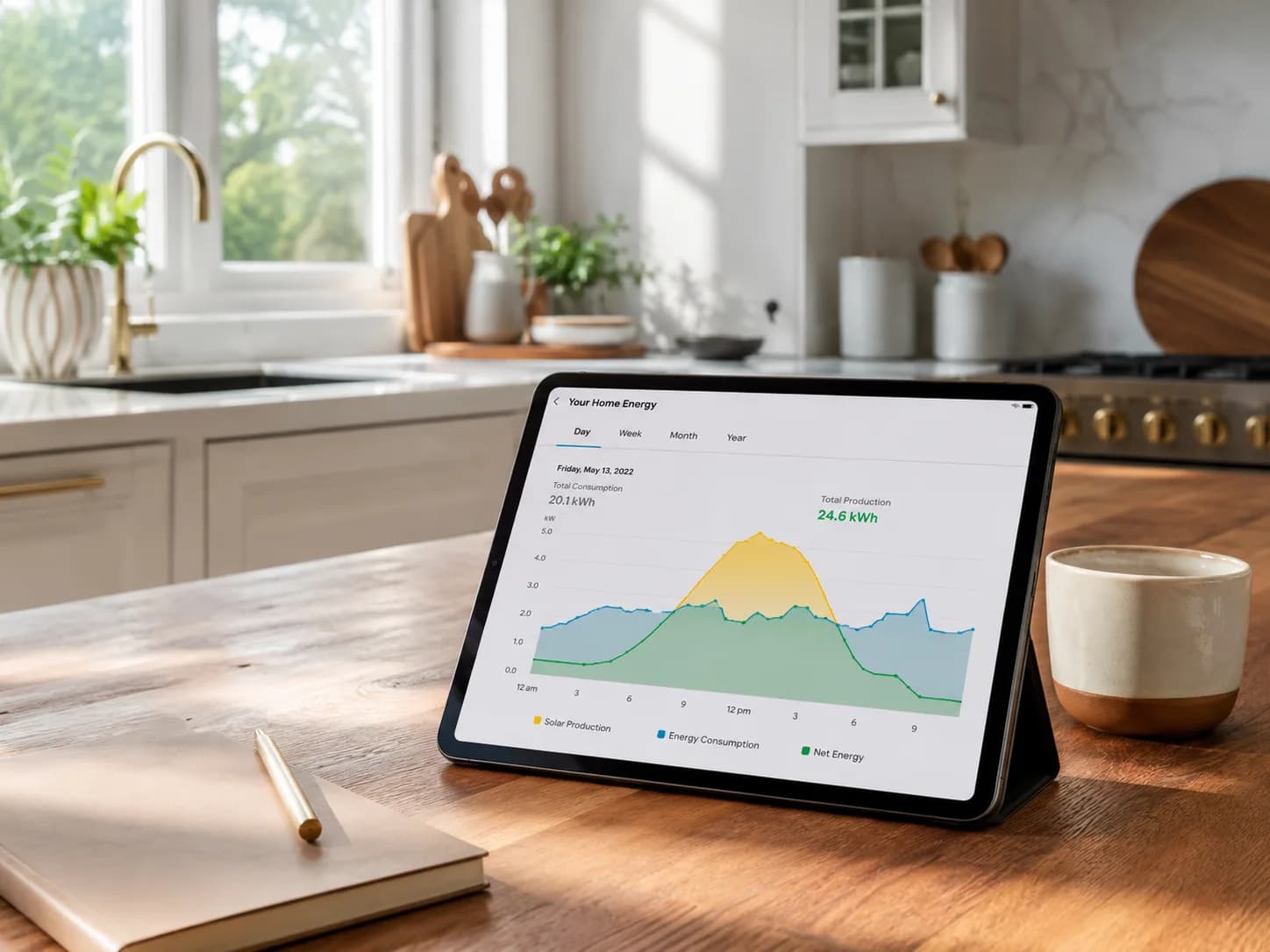
Solar is not a mystery box. Your roof makes power, your home uses it first, and the meter tracks the balance.
01
Sunlight reaches the roof
Light lands on the panels while the sun is out.
02
Roof array
Panels make DC power from that light.
03
Inverter
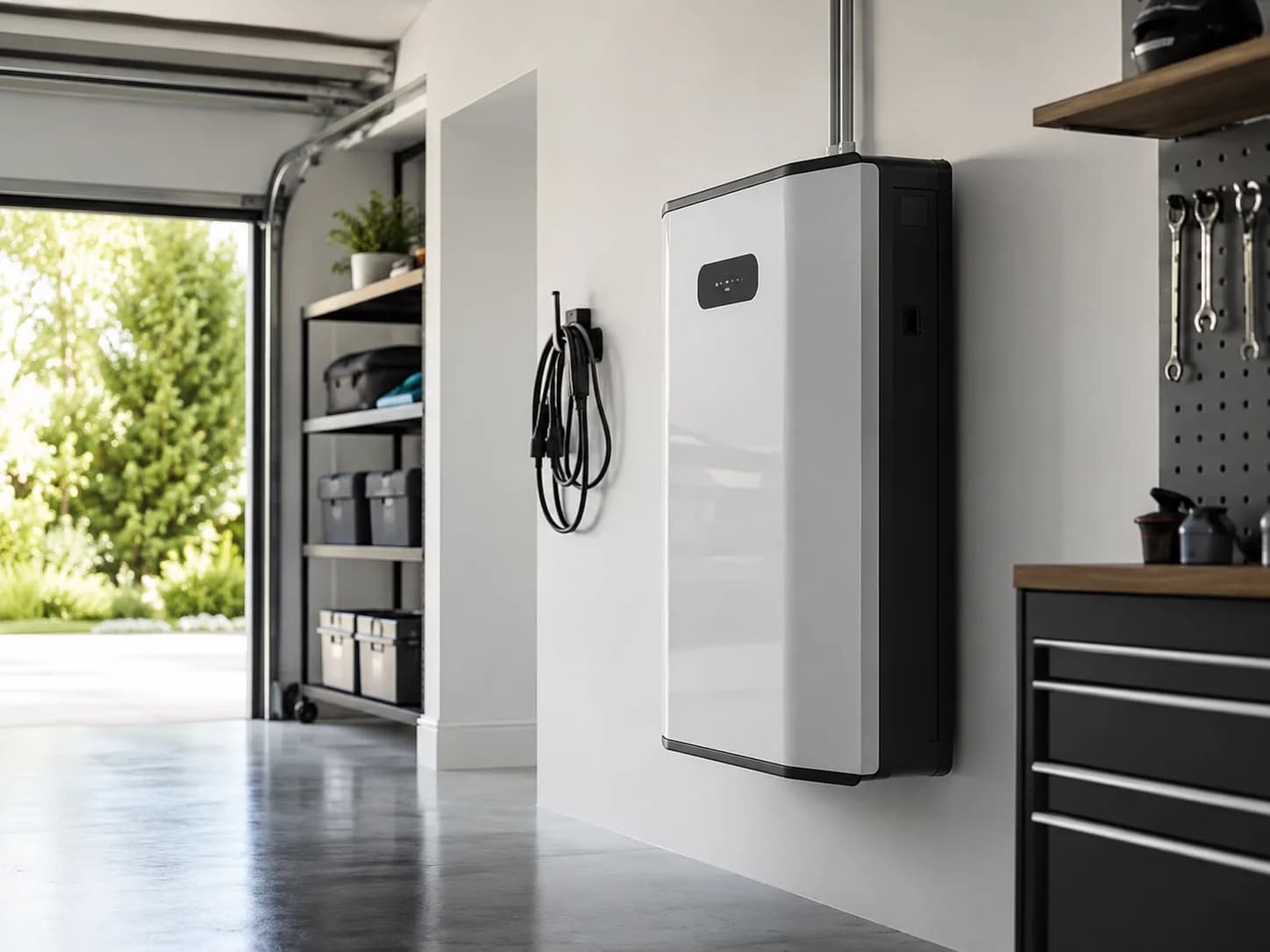
The wall box turns DC into normal home power.
04
Home uses it first
Lights, outlets, AC, and appliances use solar first.
05
Meter and grid
The meter watches what you use and what you send out.
06
Grid credit
Extra production can flow back for credit.

Three review lenses
The homeowner questions that decide fit
The bill argument
The savings case starts with the bill you already pay. Fíor reviews usage, utility rules, system price, production, and financing before calling a proposal worth pursuing.The new incentive argument
The old federal residential solar credit is no longer available for 2026 installs. New Jersey still has SuSI / SREC-II payments, solar sales-tax and property-tax exemptions, and net metering. Other states have their own local math. The right answer now depends on your state, utility, roof, and financing.The environmental argument
Solar can offset meaningful household electricity emissions when the system is sized correctly. The cleaner case should still be grounded in the same production and utility math as the financial case.
The questions worth asking
Real answers to the real objections
- What if my roof is old?
- We assess the roof during the design pass. If it has fewer than 10 years left, we recommend roof work first or include a roof scope in the install package. Panels last 25+ years and you do not want to pay to take them down and put them back up.
- What if I move?
- If your system is owned outright, you sell the house with the system included. If you financed, the loan transfer or payoff depends on the financing agreement and the sale terms.
- What about snow?
- Snow, cloud cover, and shorter winter days can reduce production in some markets. A useful proposal should account for local weather and seasonal production before showing annual numbers.
- Will my HOA allow it?
- Rules vary by state and association. New Jersey and Connecticut have solar access protections, and other markets need a local review before anyone treats HOA paperwork as settled.
- What does maintenance look like?
- Panels are sealed glass with no moving parts, but monitoring, inverter life, roof access, and service handoff still matter. Fíor reviews those details before you choose a partner path.
Still have questions?
Get them all answered in 20 minutes
Start with your zip, utility, monthly bill range, and roof notes. Fíor reviews zero out-of-pocket options where qualified, production potential, and bill-reduction fit before any proposal.